

ANALYTICS SOLUTIONS
Achieve Powerful Sales Growth
with Sense-Analytics
What is Analytics?
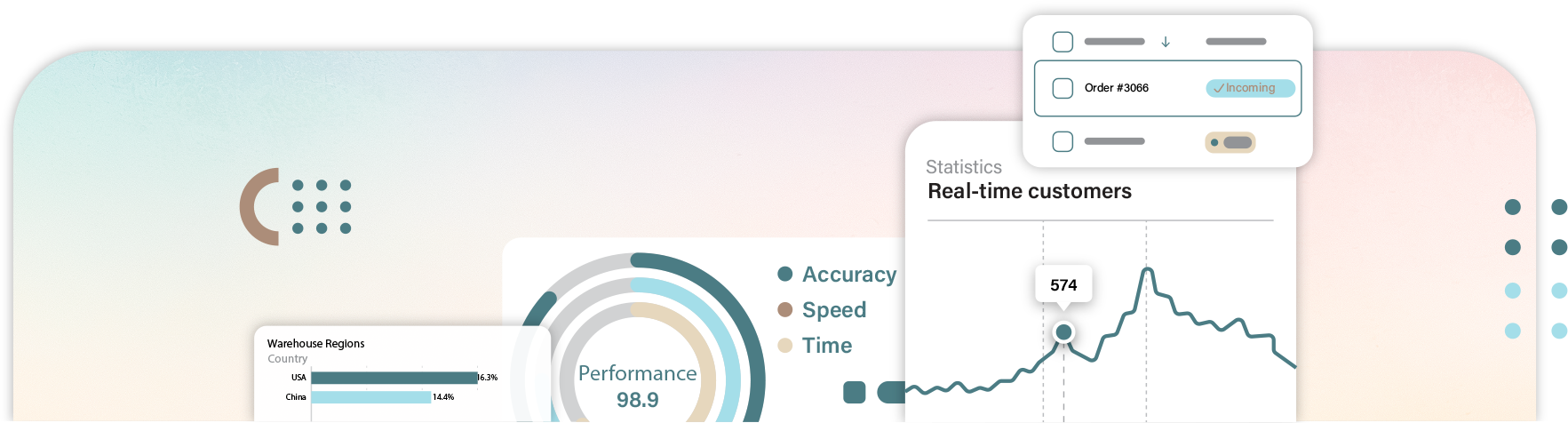
Analytics in digital marketing means collecting and studying data to understand how people behave online, track how well campaigns perform and make smart decisions to improve marketing. Think of it as a dashboard for your business thatshows what’s working and what needs fixing to reach your goals.


Why Analytics is Important for
Your Brand’s Performance Marketing?
Marketing analytics gives you useful insights from your campaigns, helping you make smart decisions that improve performance and customer experience. With analytics, you canfine-tune your marketing to create more effective, customer-focused campaigns that deliver better results.


KNOW WHAT DATA
YOU’RE ANALYSING
Define what you’re analysing before diving into data analysis. Without a clear understanding of what you’re examining, you’ll be adrift in a vast ocean of data, struggling to uncover meaningful insights.
Focus your analysis on the right data for each marketing channel, such as:
- SEO: Website traffic, conversions, and bounce rate
- PPC Advertising: Click-through rate (CTR), conversions, and return on ad spend (ROAS)
- Email Marketing: Open and click rates, hard and soft bounce rates, and unsubscribe rates
- Social Media Advertising: Cost per click (CPC), CTR, and conversions
- Content Marketing: Lead generation, dwell time, and page views
How to Analyse the Data for
Your Brand's Marketing?


SET CLEAR GOALS
Before diving into ecommerce data analysis, define your objectives. Establishing clear goals enables you to measure campaign success, focus your data analysis, and make informed decisions to drive desired outcomes. By setting goals, you’ll be able to determine whether your marketing efforts are on track and optimise your strategy for maximum impact.
You want to create SMART goals, which stand for:
- Specific: SMART goals are specific, meaning they offer precision. Setting a goal like 'earn more leads' is not a SMART goal. A goal like 'Earn 10 new leads in two months' is specific.
- Measurable: When you set goals, you need to measure them to see if you have achieved them. A goal like 'earn 20 sales in two months' can easily be measured.
- Achievable: You do not want to set unrealistic goals for your business, as it just sets you up for failure. You also do not want to set goals that are too easy. Setting goals that are challenging but attainable will work best for your business.
- Relevant: Your goals should always relate to your business and what you are trying to achieve. Whether you want to increase leads or drive revenue, your goals should reflect that.
- Timely: When you set your goals, you need to set a time limit. Whether it is a month, a quarter, or a year, you need to put an end time limit on your goals to ensure you achieve them in the right amount of time.

SET BENCHMARKS
Benchmarks give you a baseline to compare your data against. Without them, it’s hard to tell if your campaign is doing well. They help you spot issues and opportunities for improvement, leading to smarter decisions and business growth.


USE A DATA ANALYSIS TOOL
Manually analysing data can be overwhelming, especially with multiple campaigns. Using the right tools saves time and helps you get clearer insights faster.

WEBSITE ANALYTICS
Google Analytics
Google Analytics is a powerful tool that tracks website traffic, user behavior and campaign results. It measures key metrics like conversions, bounce rate and visitor demographics to help you understand and improve your website’s performance.
TOOLS FOR WEBSITE SEO ANALYTICS
SEO tools help boost your website’s search rankings by optimizing keywords, analysing competitors and improving content to attract more visitors.




HEAT MAPPING TOOLS
Heat mapping tools like Hotjar, Microsoft Clarity and Crazy Egg show how visitors interact with your website. These insights help you improve user experience and increase conversions.

CONVERSION TRACKING TOOLS
Conversion tracking tools monitor actions like clicks, sign-ups and purchases to evaluate campaign success and find improvement areas. Popular tools include:

Google Ads
Conversion Tracking

Facebook Pixel
Organic Traffic Tool
Google Search Console
Google Search Console offers insights on your website’s organic search performance, showing impressions, clicks and rankings. It also highlights technical issues and helps improve your SEO strategy.
Ad Optimisation Tools
Tools like Optmyzr, Ad Espresso and Click Cease help you optimise your ad campaigns by improving targeting, bidding and creatives, while protecting against click fraud to boost ROI.
Accelerate Your Growth with Data-Driven Intelligence
Contact Us
Home | Contact Us